by Alexandra Shepelevich, Chief Legal Officer at Alpha Affiliates

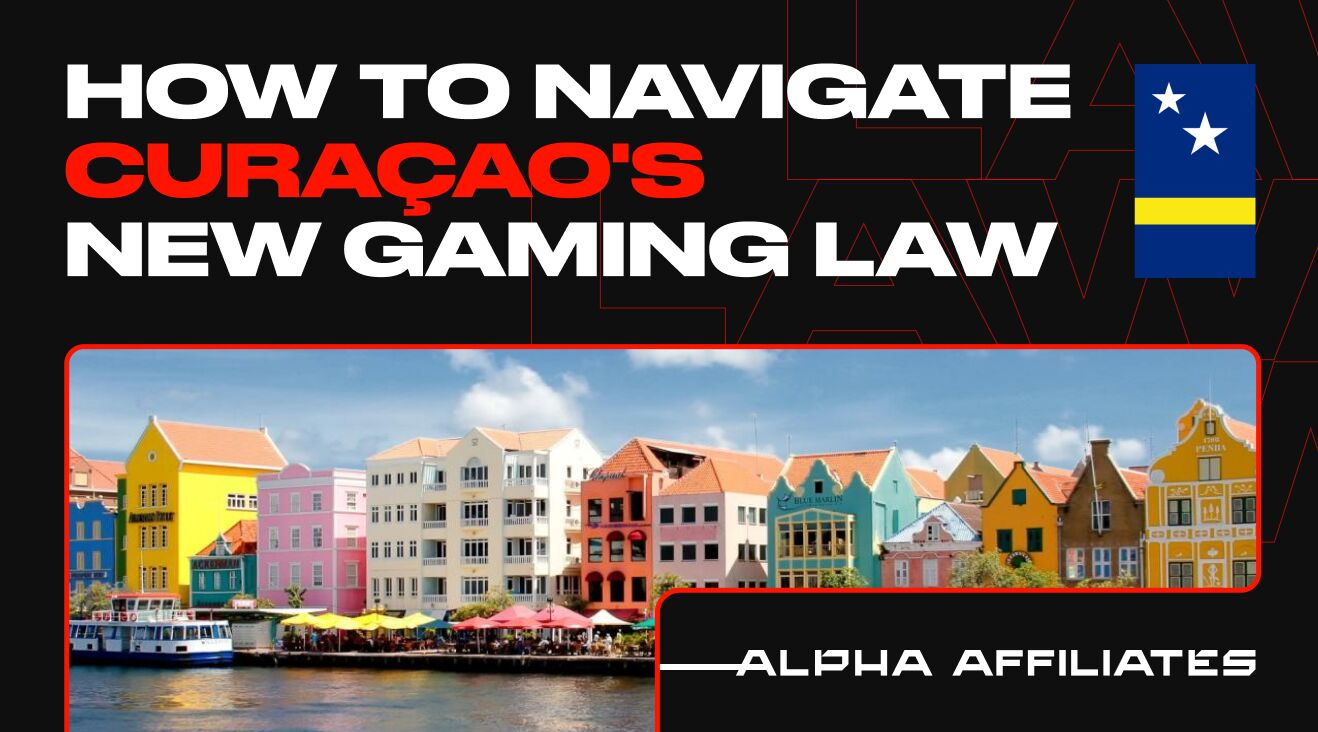
Thanks to its licensing system, Curaçao has long fostered a business-friendly environment for iGaming companies. That said, the existing regulatory framework is being scrutinised for not adhering to international standards.
The government is conducting a complete overhaul of current regulations and instituting the National Ordinance for Games of Chance (LOK), which will come into force in the first three months of 2024. And with it comes the Curacao Gaming Authority (CGA), an entirely new regulatory body responsible for enforcing the guidelines, including compliance, imposing sanctions, introducing new policies and issuing licenses.
What effect will the new changes have?
As with any new legislation, affected bodies will have a time frame in which to familiarise themselves with changes and adjust. The LOK framework changes affect the ways in which operators disclose certain information, ensure data protection, address anti-money laundering and privacy measures for gaming and monitoring tactics.
Disclosure Procedures: The updated regulations require operators to disclose beneficiaries and provide proof of identity and evidence of where their funding is sourced.
Data Protection: Operators must have the correct measures in place to assure users their data is secure and protected from unauthorised access and misuse.
AML: As gaming sites can be a gateway for money laundering, operators must have the right policies and follow robust procedures to reduce and ultimately prevent this activity.
Player Privacy: iGaming companies will need to provide more transparency, while respecting players’ rights and privacy. They must invest in responsible gaming tools and support, to provide a safe environment for players to operate in.
Monitoring: Any suspicious transactions or fraudulent activities will need to be immediately reported to the CGA to reduce their occurrence and mitigate potential consequences.
Prices for licensing
Alongside regulatory changes, licensing fees will also increase. Starting next year, the proposed fee payable for companies wanting a license to operate will be $5,000. Operators will also pay an extra $340 per qualified person and $275 per UBO.
For B2C companies, the annual license fee will decrease from $66,000 to $25,000 and there will be no GPT tax. Finally, licensed iGaming companies will be expected to pay a gaming contribution of $26,500 to the CGA.
In order for licensing application requirements to be met and the corporate structure to be set up properly, operators should seek assistance from in-house legal departments. This way they can prevent making mistakes when switching their operations to comply with the new guidelines and ensure that they set up a well-equipped and responsible environment for their players.
Applying for a license
The Gaming Control Board (GCB) opened the new licensing portal on September 1st this year, leaving iGaming companies with two options. They can either apply for new licenses and follow the regulations outlined in the LOK, or they can register as sublicensees.
Purchasing a new license: Operators looking to apply for a new license must evaluate their existing corporate structure and assure themselves they can fulfil the requirements outlined in the LOK. Despite new applications being reviewed under current legislation, they must still comply with the updated guidelines in order to qualify.
In order to do so, companies should conduct financial and technical reports on their operators and review responsible gambling measures. By having the correct documents, they will demonstrate their compliance to the new regulations, and as such, be granted a new license.
Applications are accepted from November 15th 2023 onwards, and if successful, applicants will receive a provisional operating license. This will last until the LOK comes into full effect, they will be automatically transferred and be able to offer their services online within Curaçao and other LOK jurisdictions.
Registering as a sub-licensee: Operators issued a license under the old regime will have a set period of time to register for a full license before their sub-licenses expire. Under the new law, their current licenses are valid for a year after the LOK is enacted, they will have to purchase a license within 90 days following their extension in order to continue operating.
With the increasing popularity of iGaming, it is essential that operators maintain a responsible and supportive environment for players. As such, the new LOK regulations should not be seen as an inconvenience.
At Alpha Affiliates we are required to comply with regulations. As an operator ourselves, we make sure to understand the changes and remain competitive within our markets and continue working with affiliates and iGaming partners.
Not only are these new guidelines vital for companies to continue their current operations, but they are also an opportunity for development and respect from the international gaming community. As long as operators stay on top of the monitoring and analysis, they will be able to continue functioning as normal, while strengthening their business in the long run.