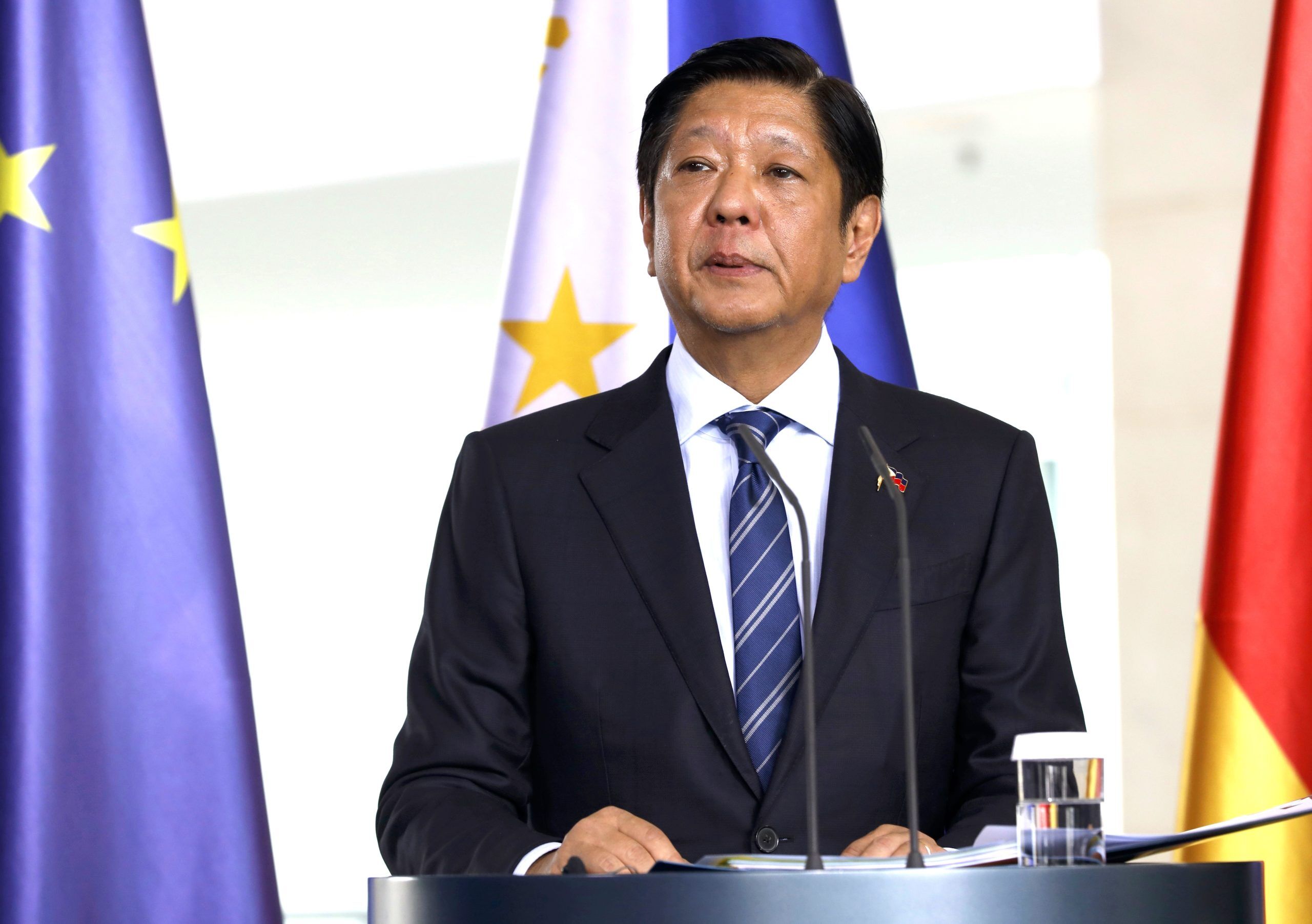
Ferdinand Marcos Jr, President of the Philippines, has announced a ‘conclave’ to draft a comprehensive policy on online gambling.
This initiative aims to assess online gambling’s socio-economic impacts, with a focus on finding a balanced approach rather than outright bans.
President Marcos emphasized the importance of hearing all perspectives, and the meeting will include representatives from the Church, education, law enforcement and addiction specialists. He also highlighted the example of e-sabong (online betting on cock fighting) to caution against outright bans, noting that prohibiting these activities can drive them underground.
He stated: “Let’s use that as an example. Was our ban on e-sabong successful? If not, why was it not? These are the things we need to study.”
The President advocates for a measured policy response, suggesting that simply banning online gambling may not solve underlying issues.
In parallel, the Senate Committee on Games & Amusement, led by Senator Erwin Tulfo, plans to prioritize measures addressing what Tulfo describes as a worsening crisis, with discussions beginning on August 14th.
Senator Tulfo intends to consult with key agencies, including PAGCOR and the Department of Finance, to evaluate the possibility of an outright ban. The Senate Committee will also review four Bills, three resolutions and a privilege speech related to the negative impacts of online gambling.
Senator Sherwin Gatchalian has called on the Bangko Sentral ng Pilipinas to prevent e-wallet providers from directly linking to online gambling sites. Gatchalian argues that the central bank’s intervention could protect Filipinos from gambling addiction, which has been exacerbated by easy access through mobile apps and web links.
Gatchalian’s proposed legislation seeks stricter industry regulations, including banning non-bank electronic money issuers from connecting to gambling platforms. He warns that the accessibility of online gambling has led many, including minors, into a cycle of addiction and financial ruin.
As the government deliberates on the best path forward, both the executive and legislative branches appear committed to addressing the complex issues surrounding online gambling. The outcome of these discussions will be pivotal in shaping the future regulatory landscape in the Philippines.