
The US Commodity Futures Trading Commission (CFTC) Chair’s assertion of federal support for prediction markets has ignited a debate on state versus federal authority, particularly among Republicans. The current controversy stems from the CFTC’s firm stance against state-level bans on prediction markets.
Michael Selig (pictured above), CFTC Chairman, has been vocal about federal jurisdiction over prediction markets, emphasizing in the Wall Street Journal, “The CFTC will no longer sit idly by while overzealous state governments undermine the agency’s exclusive jurisdiction.”
But the Trump administration’s support for prediction markets through the CFTC has drawn criticism from some Republicans, including Chris Christie, former New Jersey Governor, who argues against federal overreach in regulating sports betting markets.
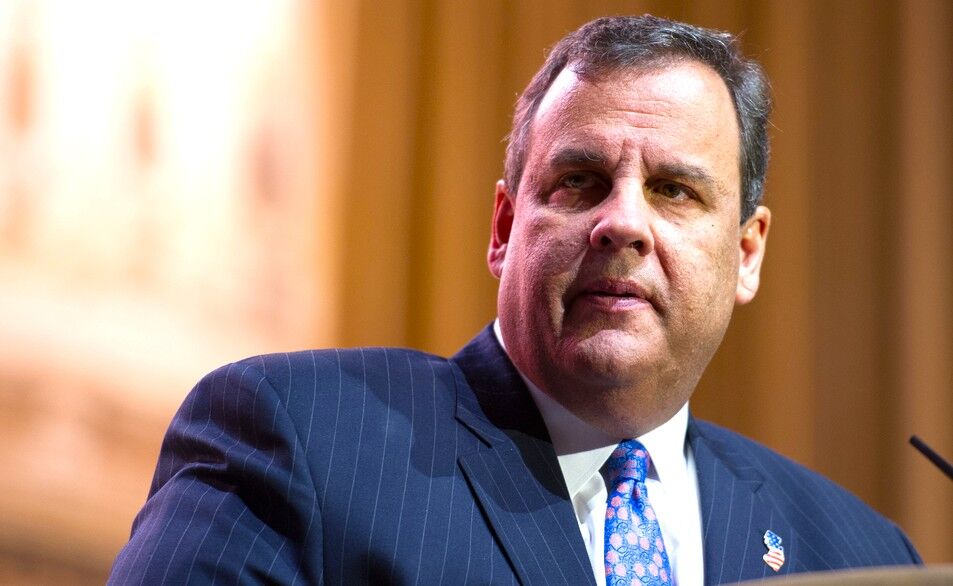
Christie (below), now an advisor to the American Gaming Association (AGA), asserts, “Violating the rights of states…is not the purview of another alphabet soup federal agency.”
This federal approach has also been met with scepticism from state leaders like Spencer Cox, Utah Governor, who criticized the CFTC’s claim over prediction markets in non-financial contexts.
The debate intensifies as the industry grapples with the growth of prediction markets. Nevada gaming companies reported a 352% revenue increase in sports betting last year, raising concerns about prediction markets’ impact on traditional gambling.
Despite the AGA’s initiative against prediction markets, labeiling them “unsafe,” many argue that this stance is more about maintaining market dominance than consumer protection. Critics liken these markets to casinos, suggesting similar regulation and taxation.
The argument that prediction markets undermine state tax revenues is common, yet it questions the fairness of state-imposed monopolies limiting consumer choice.
The past year has demonstrated the potential for prediction markets and casinos to thrive together, with record gaming revenues and robust Super Bowl betting. Ultimately, empowering individual freedom to choose remains the best outcome for the gambling industry.