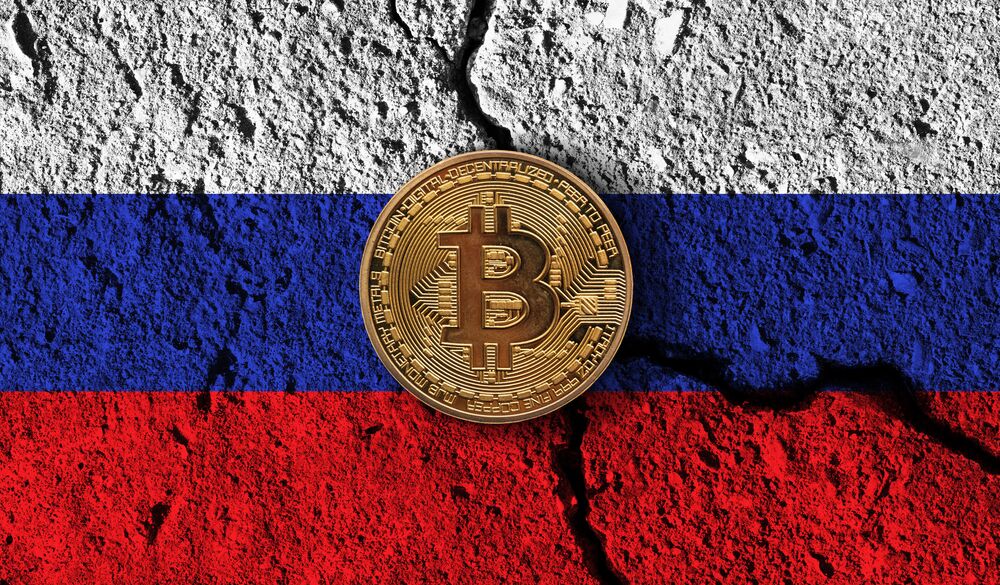
Russia’s finance ministry has estimated that cryptocurrency transactions in the country total around RUB50bn (US$648m) per day, underlining the scale of a market that officials acknowledge largely operates outside formal regulatory oversight.
The disclosure comes as lawmakers prepare draft legislation for consideration during the spring session of the State Duma, aimed at bringing segments of the sector within a licensing and compliance framework. Officials said “millions” of Russians are now participating in crypto-related activity, reflecting sustained domestic demand despite continuing financial restrictions linked to the war in Ukraine.
The Bank of Russia has previously outlined a regulated model that would differentiate access according to investor classification. Under proposals discussed publicly, qualified investors would be granted broader trading permissions, while retail participants would face tighter safeguards, reporting requirements and suitability checks. The approach signals an attempt to balance capital control sensitivities with the practical reality that digital assets already form part of the country’s parallel financial ecosystem.
At the same time, Brussels is assessing further countermeasures. The European Commission confirmed that its proposed 20th sanctions package includes provisions targeting Russia-linked crypto trading activity and certain digital asset platforms. The measures would require unanimous approval from EU member states before entering into force.
Western policymakers have long expressed concern that digital assets could be used to mitigate sanctions exposure, although evidence of systemic large-scale circumvention remains contested. For Moscow, the current legislative effort appears less focused on prohibition than on supervision, transparency and potential tax capture, as transaction volumes move increasingly into the policy spotlight.
With regulatory drafting under way in Russia and sanctions deliberations continuing in Brussels, crypto markets are once again at the intersection of geopolitics and financial oversight.