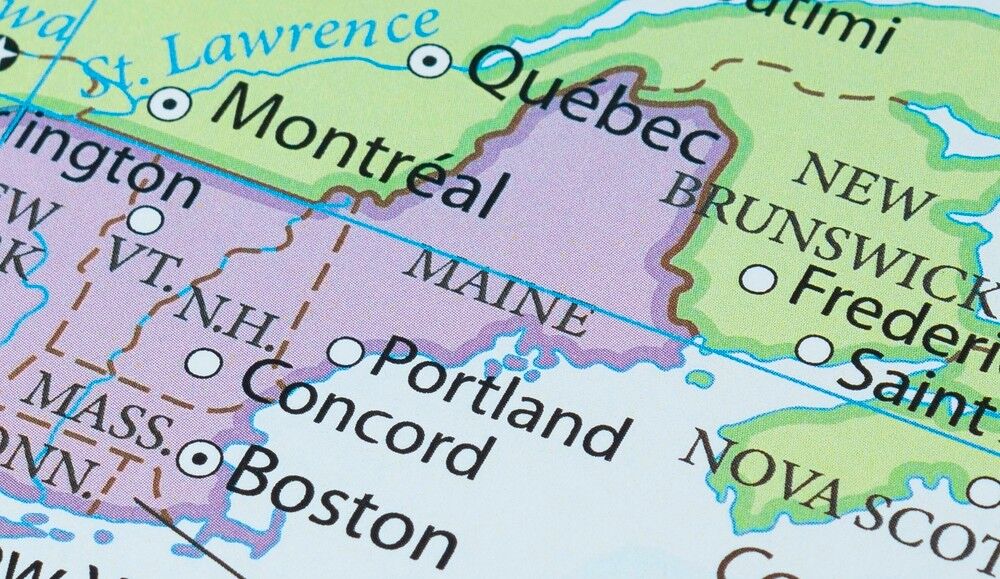
Governor Janet Mills has approved legislation making Maine the eighth US state to regulate online casino gambling. This move allows the state’s four federally recognised tribes to partner with companies for iGaming licenses, potentially generating over $100m in tax revenue over the next decade.
The new law mirrors the 2022 sports betting framework, granting tribes control over mobile sports betting. Maine’s iGaming tax rate is set at 18%, higher than sports betting’s 10%, reflecting the stable revenue from casino games like Blackjack. Despite its potential, the law faces opposition from brick-and-mortar casino owners, who threaten a people’s veto that could delay its implementation.
The market is anticipated to be three to four times larger than the $6m earned from sports betting in its first year.
Gene Johnson, Executive VP of Illinois-based Victor-Strategies, projects annual revenue of $57.9m, yielding $10.4m in taxes. These figures exceed conservative estimates by the legislature’s fiscal office, and tribes could profit further through undisclosed agreements with betting companies.
The timeline for launching iGaming in Maine remains uncertain. The law takes effect three months post legislative adjournment, with rulemaking to follow. Johnson believes the market could launch by the autumn, although the process may be prolonged by the people’s veto.
Key players include the Passamaquoddy Tribe, which partners with DraftKings, and the Penobscot, Maliseet and Mi’kmaq tribes, which collaborate with Caesars Sportsbook. Both companies are active in the online casino sphere, with DraftKings continuing its alliance with Passamaquoddy.
The legislation raises concerns about gambling addiction and the potential displacement of brick-and-mortar casinos. However, Johnson criticises opposing studies as biased, citing New Jersey’s betting market growth post-regulation.
Chief William Nicholas Sr. of the Passamaquoddy Tribe emphasises the economic benefits for Maine’s tribes, asserting their readiness to defend the law against opposition.