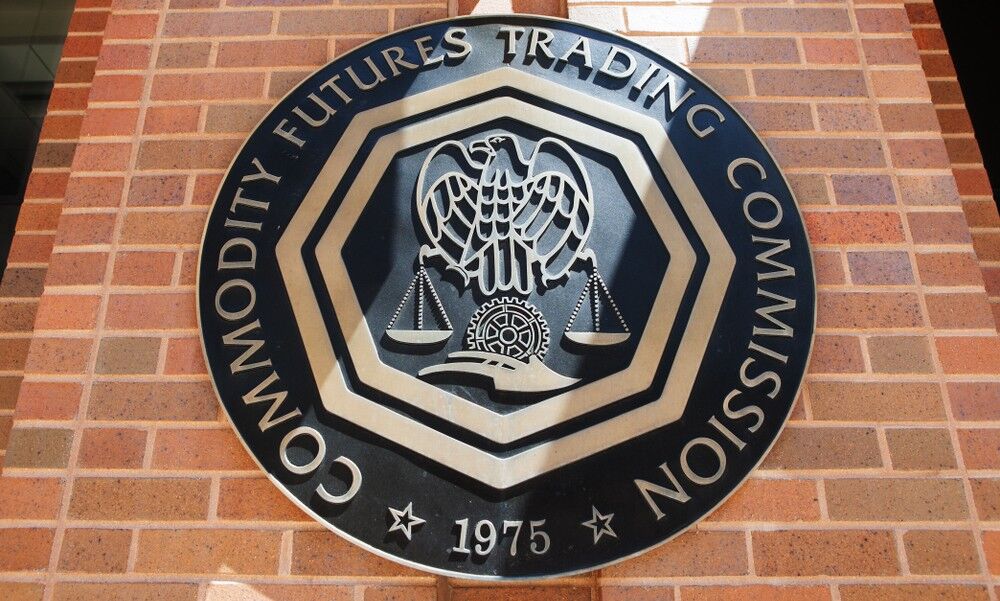
Michael Selig, Commodity Futures Trading Commission (CFTC) Chair, has clarified the distinction between prediction markets and traditional sportsbooks, emphasising that they are “two separate things.”
According to Nathan Bomey of AXIOS, Selig views prediction markets as financial products, noting that “most people aren’t using prediction markets for ‘entertainment.'”
Selig explained that prediction markets and sportsbooks operate under different models. He highlighted that while conventional sportsbooks and casinos are designed for entertainment and can exclude individuals who consistently win, derivatives markets do not have such restrictions.
“When you go to the derivatives markets, that’s not allowed. You keep winning? Great. You take your earnings,” Selig said.
The growing popularity of prediction markets like Kalshi and Polymarket, which predominantly focus on sports, has intensified the debate with state gambling regulators. These platforms are experiencing a surge in trading volume, primarily driven by sports, escalating tensions with state authorities.
The American Gaming Association (AGA), representing the casino industry, argues that prediction markets offer gambling opportunities outside the established state and tribal regulatory frameworks designed to protect consumers. This concern has prompted legal actions, with the CFTC suing to prevent states from encroaching on its jurisdiction over these markets.
Selig has expressed his commitment to maintaining the CFTC’s authority, stating that he “will continue to fight the states.”
This ongoing conflict underscores the complexity of categorising prediction markets and the regulatory challenges they pose. As these markets gain momentum, the distinction between entertainment and financial speculation continues to blur, prompting further scrutiny and debate.
The CFTC’s stance on prediction markets reinforces the need for clear regulatory guidelines that differentiate these financial products from traditional gambling, ensuring consumer protection and market integrity.