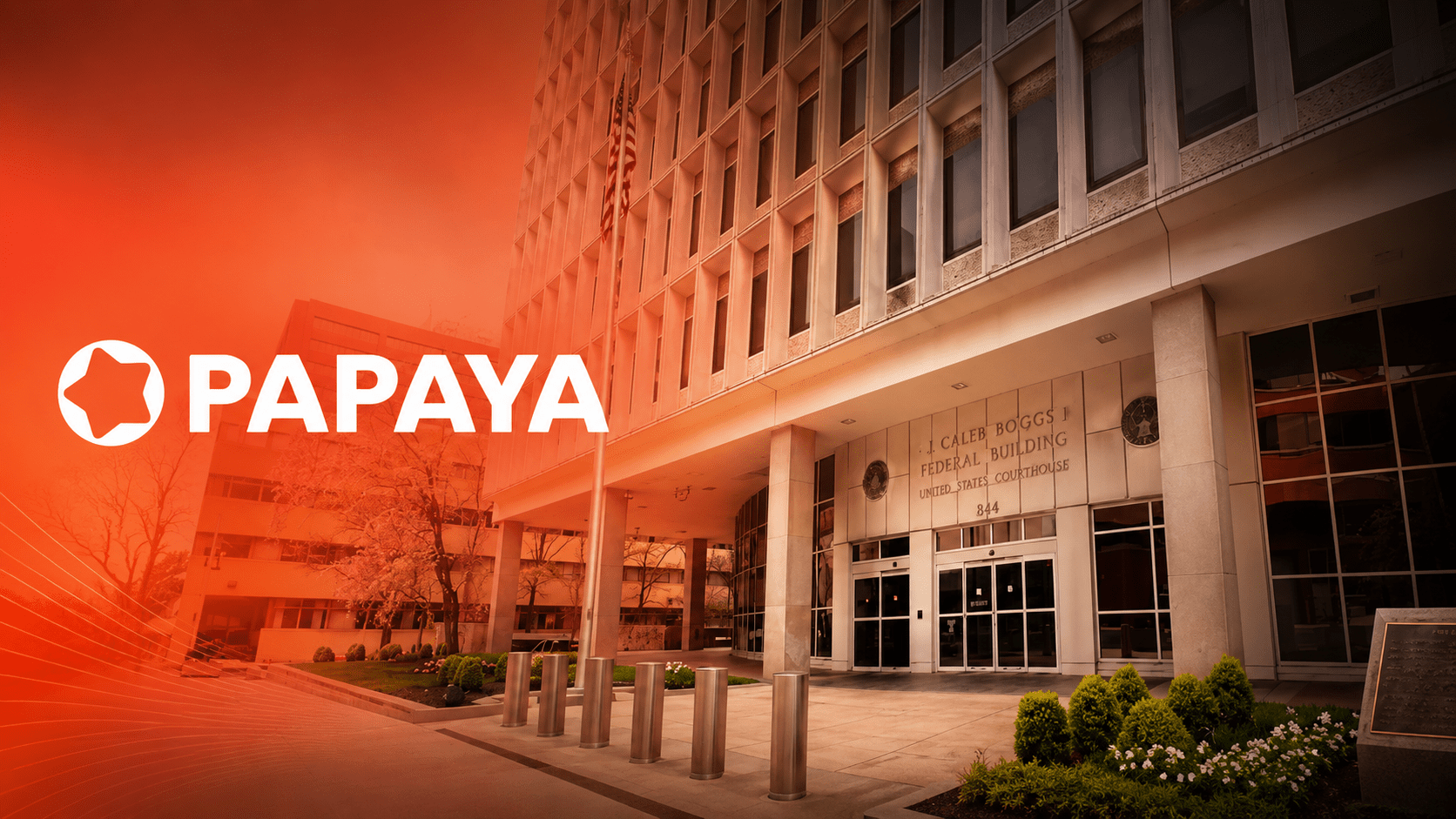
Kalshi has questioned New York’s treatment of rival prediction market Polymarket as it fights a state lawsuit seeking to stop its operations and recover billions of dollars in alleged illegal gambling proceeds.
New York Attorney General Letitia James filed the action against Kalshi on July 31, alleging that the company operates an unlicensed gambling business despite describing its event contracts as federally regulated financial products.
The lawsuit seeks to prevent Kalshi from operating without a New York gambling licence and recover restitution, disgorgement and financial penalties.
The dispute centres on whether prediction market event contracts should be regulated federally as derivatives or by individual states as gambling products.
Kalshi operates as a designated contract market regulated by the Commodity Futures Trading Commission and maintains that its event contracts fall under federal commodities law.
New York argues that Kalshi’s products meet the state definition of gambling and should therefore be subject to the same licensing, taxation and consumer protection requirements as authorised betting operators.
Kalshi has questioned why Polymarket, another CFTC-regulated prediction market offering sports event contracts, has not faced similar enforcement action.
The issue has gained greater prominence following a new commercial agreement between Polymarket and the New York Yankees.
Announced on August 6, the partnership will give Polymarket advertising visibility at Yankee Stadium, including signage and branding during Yankees broadcasts, less than a week after New York filed its lawsuit against Kalshi.
Polymarket is already Major League Baseball’s official prediction market partner under a wider agreement reportedly worth up to US$300m.
The Yankees agreement does not establish that Polymarket and Kalshi are legally equivalent, but it highlights the increasingly complex position facing prediction markets, professional sports organisations and state gambling regulators.
Kalshi chief executive officer Tarek Mansour has also said the company proposed an arrangement that could have generated up to $10bn for New York through taxation of prediction market activity.
Governor Kathy Hochul’s administration rejected suggestions that a financial arrangement should allow Kalshi to operate outside the state’s gambling framework.
A spokesperson for Hochul said: “Kalshi’s illegal gambling operation has broken these laws and that alone is why they are being held accountable.
“Kalshi may have thought you can buy an exemption to state law, but that’s not how things work in New York.”
Kalshi rejected the state’s position and said New York had walked away from a proposed agreement that could have generated substantial public revenue.
A Kalshi spokesperson said: “The only ones depriving the state of billions are themselves.
“They walked away from money that could have funded schools, transit and healthcare.”
New York authorities have not publicly provided a detailed explanation for why Kalshi and Polymarket have so far faced different enforcement treatment.
The state has, however, taken action against other companies offering prediction market products. The Attorney General previously filed cases against Coinbase and Gemini, alleging that their event contracts also constituted unlicensed gambling.
The Kalshi case forms part of a broader regulatory battle over whether federally regulated prediction markets offering sports contracts can operate nationwide without individual state gambling licences.
Its outcome could have significant consequences for a sector expanding rapidly into products that increasingly resemble those offered by licensed sportsbooks.