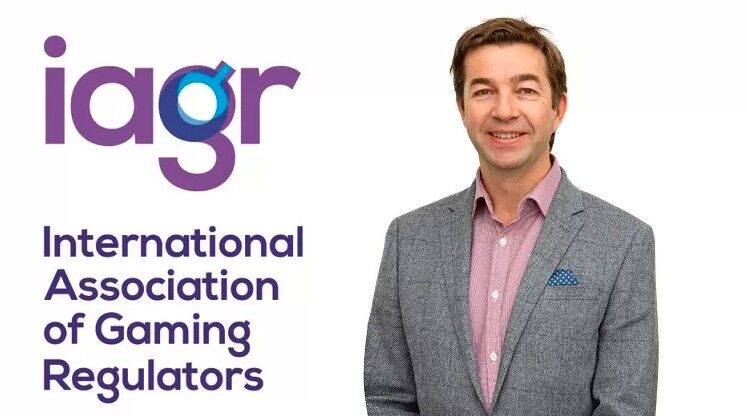
Ben Haden,President of the International Association of Gaming Regulators has called for stronger international coordination against illegal gambling, warning that technology has made national boundaries increasingly difficult to defend.
Speaking during a fireside discussion at G2E Asia in Macau, Haden said illegal gambling has become one of the most pressing issues for regulators worldwide, particularly in markets where offshore operators, social media promotion and digital payment channels allow unlicensed gambling to reach consumers at scale.
The session focused on the challenge of building effective gambling regulation in a market where digital access is often broader than the legal framework that governs it. Haden said regulators should be realistic about the limits of enforcement. Illegal gambling, he argued, cannot be removed entirely, but can be disrupted by making it harder for unlawful operators to reach customers, process payments and operate at commercial scale.
Haden said: “Anyone who tells you their aim is to eradicate illegal gambling; you’ll never get rid of it.” He added that technology meant every country had effectively become exposed to iGaming, regardless of whether online gambling was formally regulated.
The issue is particularly acute in Asia. Estimates suggest that illegal gambling revenue in the region exceeds $100bn a year. Haden said the scale of the market required regulators to move beyond a narrow focus on operators and examine the wider supply chain that enables illegal gambling activity.
While licensed operators remain the visible point of enforcement, Haden said regulators also need to apply pressure to the digital infrastructure that allows unlicensed gambling brands to advertise, recruit customers and move funds.
The comments reflect a broader shift in regulatory thinking. IAGR launched an Illegal Gambling Working Group in 2024 as a confidential forum for regulators to exchange intelligence, share jurisdictional experience and develop practical responses to illegal markets. The group is intended to support both established regulators and emerging gambling jurisdictions moving towards regulated market structures.
Haden also pointed to the growing role of data in identifying illegal gambling behaviour. He said open banking and consumer held data could give regulators a clearer view of how players access unlicensed platforms, particularly where consumers may not realise they are gambling outside a regulated market. The approach would mark a departure from reliance on operator reporting alone. By examining how consumers play, where they spend and which platforms they use, regulators could better target warnings and strengthen the appeal of the legal market.
IAGR has increasingly positioned illegal gambling as a cross-border regulatory issue. In February, the association appointed Kevin Mullally as its first CEO, saying it would expand its role as a convening body for regulators facing shared risks, including illegal gambling, match fixing and betting integrity threats.
For regulators, the message from Macau is clear. Illegal gambling is no longer a peripheral enforcement problem, it is a global digital market, supported by payments, platforms and technology providers, and it is unlikely to be contained by licensing policy alone.