South Korea has launched a reward-based reporting campaign to combat illegal online betting during the 2026 FIFA World Cup. The campaign, led by the Gambling Control Commission, will run until July 31st and is aimed at illegal betting websites targeting South Korean users during the tournament.
Under the scheme, members of the public can receive KRW10,000 (US$6.50) for each report that results in an illegal gambling site being blocked. This rises to KRW50,000 ($32) where reports include bank account information linked to the operator. Monthly payments are capped at KRW600,000 ($391) per person.
Reports can be submitted through a dedicated online platform or national hotline. Information will be reviewed in cooperation with the National Police Agency and the Korea Communications Standards Commission.
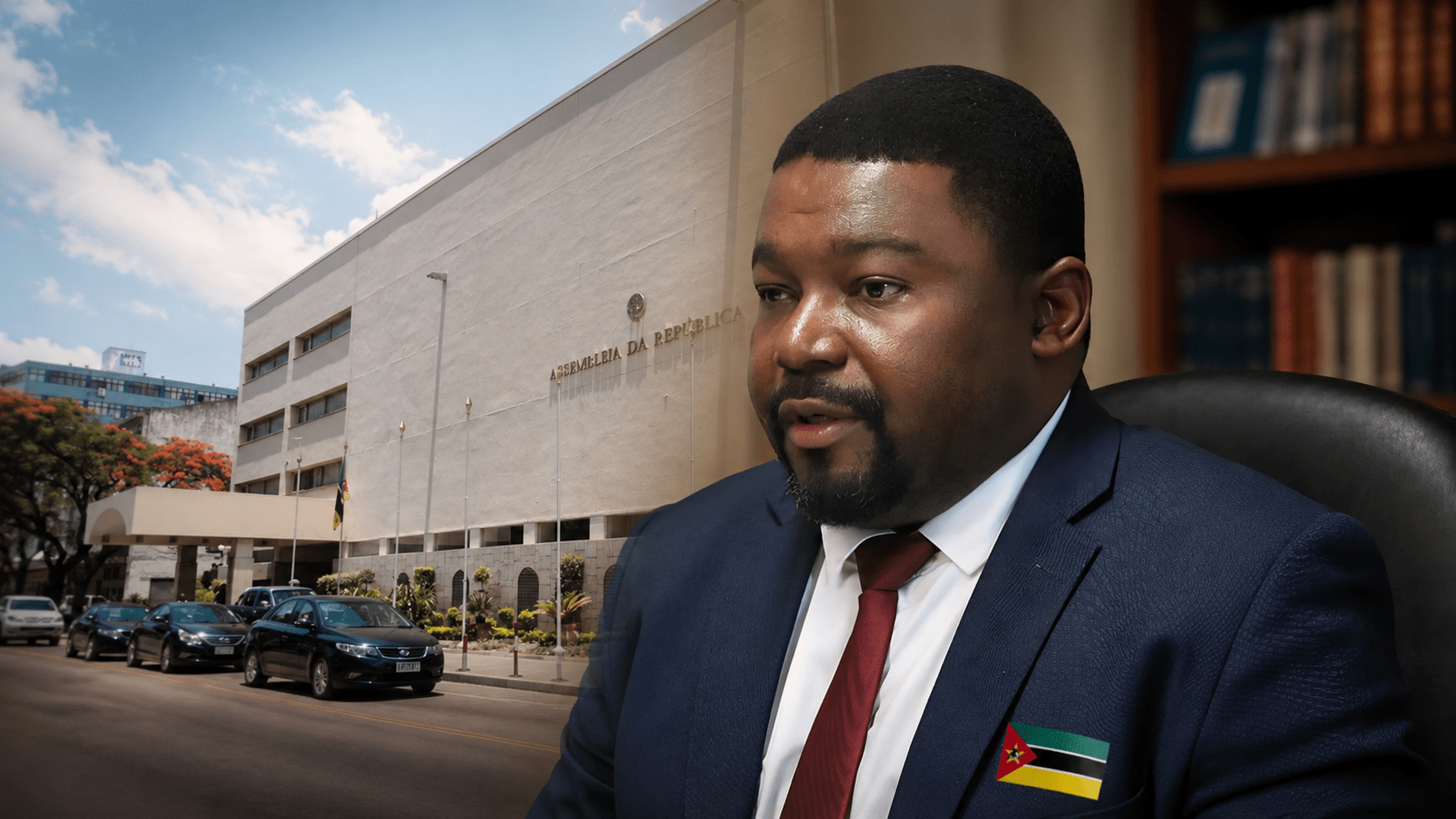
Choi Byung-hwan, Gambling Control Commission Chairman (above), says that the initiative is designed to help ensure the World Cup remains a “healthy sports festival” free from illegal gambling, adding that public participation is one of the most effective ways to prevent the spread of illegal betting.
South Korea operates a tightly controlled gambling market, with most forms of private online betting prohibited. Sports Toto remains the country’s authorised sports betting platform, while unauthorised online gambling can lead to enforcement action under criminal law.
The campaign comes as regulators across Asia prepare for increased illegal betting activity around the World Cup. Major international sports events typically create a surge in offshore betting traffic, with unlicensed operators using social media, messaging apps and mirror websites to reach consumers in restricted markets.
For South Korea, the reward scheme reflects a more active public enforcement model, combining site blocking, financial intelligence and citizen reporting. For the wider industry, it underlines the continuing challenge governments face in controlling illegal betting demand around global sporting events.