Ohio lawmakers have introduced legislation that would ban online sports betting in the state and impose sweeping restrictions on the remaining retail wagering market.
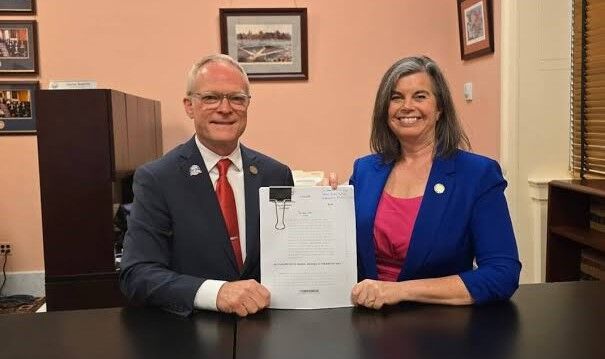
State Representatives Johnathan Newman and Beth Lear have introduced House Bill 971, the Save Ohio Sports Act, which would require sports bets to be placed in person and would prevent mobile sportsbook operators from offering statewide online wagering.
The proposal would represent one of the most significant attempted rollbacks of legal sports betting in the US since the Supreme Court overturned the federal ban in 2018. Ohio launched legal sports betting in January 2023 and has since become one of the country’s major regulated markets.
Under the bill, only single-game bets would be permitted. Parlays, live betting, prop bets and college sports betting would be banned. Individual wagers would be capped at US$100, while customers would be limited to eight bets in any 24-hour period.
The bill would also prohibit credit card funding for betting accounts and restrict sports betting advertising, including a ban on gambling adverts inside college sports venues and during live game broadcasts.
Newman said the bill was intended to reduce gambling-related harm and protect young people.
“Monetising addiction to fund public education is the wrong direction for Ohio,” Newman said. “Who wins when predatory gambling preys on the vulnerable? It’s not our schools; that’s for sure. It’s the trillion-dollar big gambling companies who win. How is this good for Ohio?”
The proposal follows increasingly critical comments from Ohio Governor Mike DeWine, who signed the state’s sports betting law in 2021 but has since said he regrets the decision. DeWine has voiced particular concern over prop betting and athlete integrity risks.
The bill has not yet been assigned to a committee and its prospects remain uncertain. However, the measure reflects a sharper political challenge for US sportsbook operators as concerns over advertising, addiction, in-play markets and player-specific betting continue to build.
For operators, suppliers and compliance teams, Ohio’s proposal is a reminder that legalisation has not ended the policy debate around sports betting. In mature US states, the next regulatory phase is increasingly focused on product restrictions, advertising limits, payment controls and the political sustainability of mobile wagering.