The efforts of UK councils to halt the growth of adult gaming centres (AGCs) have frequently been overturned by planning appeals. In a notable recent instance, Greenwich Council in London denied a proposal for a new 24-hour gaming centre, only for the decision to be reversed on appeal. And similar scenarios have unfolded across the country.
Analysis by national newspaper, The Observer, reveals that out of 62 cases reviewed by the planning inspectorate from January 2021 to July 2024, 43 were approved upon appeal, demonstrating a trend of councils’ decisions being overridden.
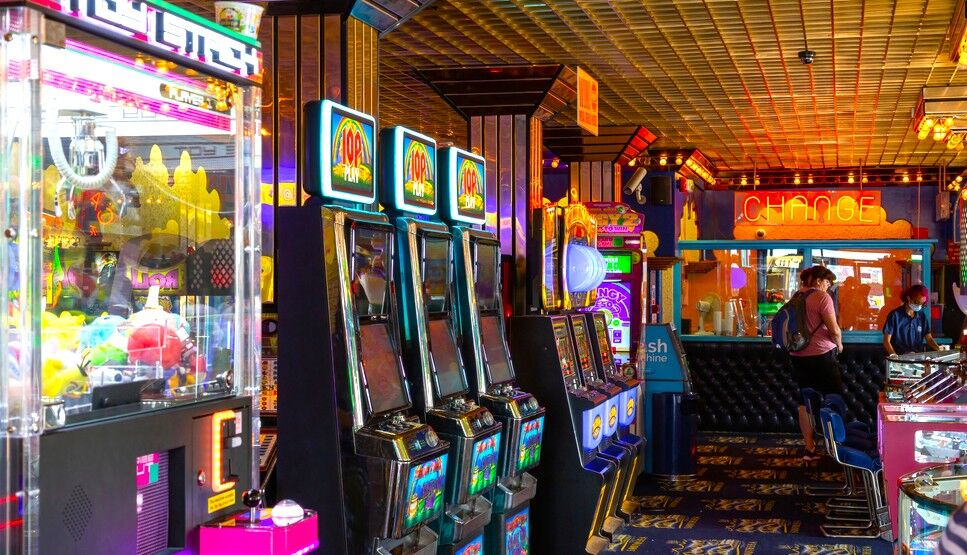
These centres, which often operate around the clock, have found success even as other high street businesses struggle, with revenues reaching a record £710m by June 2025.
AGCs number over 1,400 across the UK and are predominantly run by operators like Merkur and Admiral, with over 300 venues open 24 hours a day. These establishments have been criticised by MPs and local officials for targeting vulnerable populations in economically deprived areas.
In response to these concerns, Prime Minister Keir Starmer stressed the importance of empowering local councils to support their high streets. He mentioned the potential introduction of cumulative impact assessments, a move echoed by government ministers, with plans to implement changes “when parliamentary time allows.”
Bacta, the UK industry’s trade association, defends current regulations, noting that new AGCs “cannot open without council oversight, a full licensing process and a detailed local risk assessment.”
Meanwhile, a government spokesperson reaffirmed commitments to grant councils new powers to limit their presence on UK high streets.