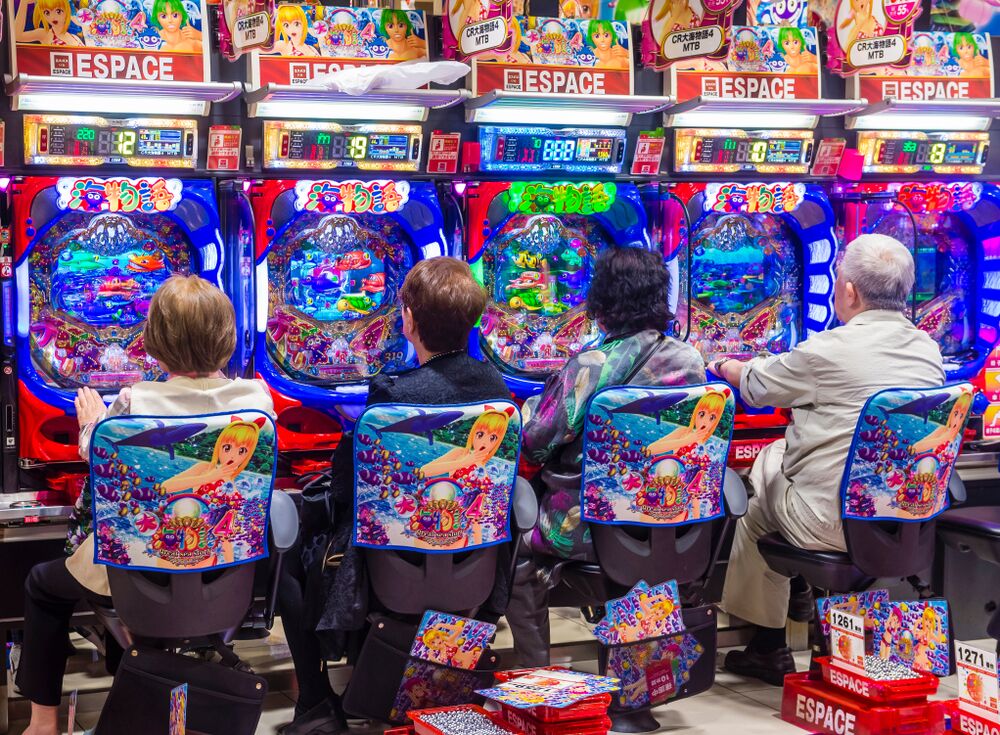
Step into any Japanese metropolis and you will soon find yourself surrounded by vast, neon-illuminated pachinko parlours, buzzing with the sounds of metal balls and pulsating lights.
Pachinko, a Japanese gaming enigma, generates more revenue than Las Vegas and Macau combined, despite operating in a nation where gambling is predominantly outlawed.
Stringent anti-gambling laws have given rise to pachinko’s exceptional legal status. Officially, it is classified not as ‘gambling’ but as ‘entertainment’.
Players purchase small metal balls which they launch into vertical pinball-like machines. Success in the game yields additional balls, which are exchanged for prizes like pens or chocolates inside the parlour. These prizes can then be sold for cash at nearby, ostensibly separate, establishments.
This legal sleight of hand maintains a facade of legality while all parties involved understand the transaction’s true nature.
Culturally, pachinko parlours attract everyone from senior executives to factory workers. Anthropologist, Takeo Suzuki, says: “Pachinko represents more than just gaming. It provides a socially acceptable escape valve in a high-pressure society where other forms of release might be viewed negatively.”
The industry is a major economic force, employing over 300,000 people and contributing approximately US$200bn annually to Japan’s GDP.
The industry’s historical ties to Japan’s Korean minority highlight its unexpected socio-economic impact. Post-WWII, ethnic Koreans in Japan exploited this niche to gain financial autonomy amid discrimination. This legacy underscores pachinko’s role as a symbol of resilience and adaptation.
Despite technological advances, including machines with digital features and pop culture themes, pachinko remains a distinctly Japanese pastime. As Japan considers legalising casino resorts, the pachinko industry faces its greatest challenge yet: preserving its cultural significance amidst evolving gaming landscapes.