A White House teleprompter operator has been placed on unpaid leave after allegedly using advance knowledge of President Donald Trump’s speeches to trade prediction market contracts on Kalshi.
Gabriel Perez, who had worked at the White House since 2016, is under investigation by the Commodity Futures Trading Commission over activity linked to markets asking whether Trump would use specific words or phrases during public addresses. Sources familiar with the matter said the trades involved more than a dozen speeches and generated close to US$100,000 in potential profit.
Kalshi said its surveillance team identified unusual activity in the speech markets and traced the account to a federal employee responsible for operating White House teleprompters.
The platform froze more than US$90,000 before the funds could be withdrawn and referred the case to the CFTC. Robert DeNault, Kalshi’s Head of Enforcement, said the exchange had provided regulators with evidence collected during its internal review.
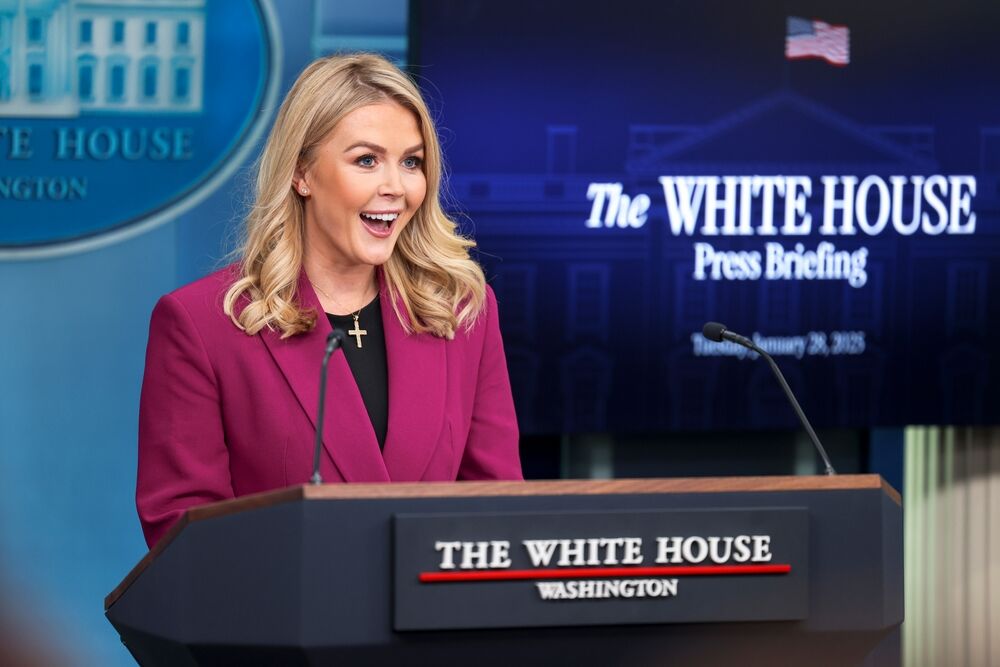
White House Press Secretary Karoline Leavitt said President Trump had been informed and that Perez would no longer work at the White House. She said there were no other administration staff known to be under suspicion over similar activity.
Perez is reported to be cooperating with the regulator. Federal prosecutors in Manhattan declined to open a criminal case, while the CFTC said it could neither confirm nor deny an investigation.
The case places further pressure on prediction market operators to demonstrate that their surveillance systems can detect trading based on confidential information.
Mention markets tied to speeches can appear relatively low risk, but advance access to prepared remarks gives insiders a clear informational advantage over other customers. The prices of such contracts can also move rapidly as traders react to political and economic language.
The investigation follows other cases involving public officials and government employees accused of using privileged information on prediction platforms.
Kalshi’s decision to freeze the account and alert regulators shows that the exchange identified the activity internally, but the episode also underlines the difficulty of policing markets built around events controlled by people with direct access to the outcome.